Unattended Death Cleanup
Decomposition cleanup and odor control are needed after a death goes unnoticed for several days.
See unattended death cleanupRemove decomposition odor at the source in a home, apartment or rental in Highland Oaks. Cleanup can include contaminated material removal, disinfection, air filtration and careful sorting of belongings.
Death odor removal means cleaning decomposition residue, taking out affected materials and treating lingering smell in the air rather than hiding it with fragrance. This cleanup addresses the underlying source along with the air.
Odor is produced during decomposition, and it may travel from the room in which the person was discovered. It can settle into upholstery, carpet, HVAC components and spaces inside walls. Deodorizing by itself is not a solution. Cleanup has to begin with locating and taking out the source.
An official property release must come before cleanup. It may be issued by a medical examiner, another authority or law enforcement. Cleanup crews examine the affected space and nearby areas. They follow contamination below surfaces and sort clean possessions from impacted ones. Materials that are porous may have to be removed if they absorbed fluids, while hard, non-porous surfaces are often suitable for cleaning and disinfection.
After source removal, odor remediation may include hydroxyl treatment, controlled ozone treatment or HEPA air filtration. Method choice depends on the affected materials, building conditions and whether the treatment space can remain unoccupied. Professional cleaning services should tell you why the chosen method suits your property.
You can call during the day or night, and crews use unmarked vehicles to respect your privacy during a difficult time.
Photos, the cleanup scope and disposal records can be organized for your insurance company, landlord or property manager so you can move forward.
Keepsakes, documents and unaffected belongings are set aside for your decisions instead of being discarded without your knowledge.
Before work begins, you learn which materials could remain, what might be removed and where cleanup is necessary.
Cleanup is necessary if decomposition fluids entered the property or an odor continues after the deceased is taken away. Situations that commonly require it include:
A delayed discovery allowed decomposition to affect the bedroom, living area, bathroom or underlying materials.
Unseen residue may accompany odor absorbed by drywall, carpet, personal property, subfloor or furniture.
Smell moved into a hallway, adjoining unit or shared air system and needs to be traced without exposing other residents.
Items that can be kept need careful sorting apart from impacted personal contents.
Wait for an official release and restrict entry in the meantime to help protect both you and the property. Cleanup technicians need the following information before beginning death odor remediation:
Call (888) 440-9227The guide from BioCleaners Directory lists death odor removal at $500 to $1,500 in a mild case, $1,500 to $3,500 with moderate odor, and $3,500 to $6,000 with severe odor. An extreme case involving structural work is listed at $6,000 to $15,000 in the guide. Your total is affected by the source, the materials involved and the distance contamination spread.
These national ranges are taken from published cost guides, rather than a property visit. The price for your property is set after the on-site assessment, and you hear it before work starts.
Ask about cost: (888) 440-9227Insurance for a homeowner, renter or landlord may cover cleanup of death odor, depending on whether the policy includes the event. Coverage terms, exclusions and deductibles vary. When possible, the property owner should report the loss prior to beginning repairs.
Notify your insurance company as soon as possible. Ask about biohazard remediation, odor treatment, removal of damaged building materials and repair coverage under your policy.
In rental housing, arrangements for building cleanup are commonly made by the manager or property owner. Personal property responsibility can be considered on its own.
Homeowners or renters insurance, the estate or the property owner usually pays for this kind of cleanup. The Florida crime victim compensation program helps only when a crime caused the loss.
Ask the adjuster to list requirements for photos, repair details, disposal documentation and the cleanup scope. Put the receipts and claim number in one place.
Death odor remediation begins with the source, not the air. Cleaning and removal happen ahead of treatment equipment because contamination left in structural materials will remain a problem. The work area is isolated so that clean rooms stay separate for the full process.
To chart where residue and smell could have moved, technicians check affected and nearby rooms, flooring edges, contents and return vents.
The affected workspace is kept apart from unaffected rooms. Crew members manage airflow with protective gear and equipment appropriate for the exposure.
Crews first remove visible residue. Crews remove carpet, pad, upholstered furniture, mattresses, subfloor sections or drywall if cleaning cannot make them fully clean.
Remaining hard surfaces are cleaned, then treated with an EPA-registered disinfectant for the full contact time listed on its label.
Air within the affected area passes through HEPA scrubbers. After taking out the source, crews may use hydroxyl treatment or another fitting option for remaining odor.
To prevent airflow from spreading the problem, crews check the affected area and nearby accessible registers and ventilation parts for residue and odor.
Crews seal and label affected materials before transporting them for disposal under applicable state and local requirements.
The work area is inspected again after treatment. For every step, documentation lists what crews cleaned and removed, plus any remaining repair work.
Phone any hour. You speak with a death odor removal specialist who outlines the process and schedules a start time with you.
The smell itself is a warning that the source may still be present. Decomposition fluids, hazardous materials and affected contents can create serious health risks through direct contact or transfer to clean spaces.
Applicable medical waste rules require controlled packaging for materials contaminated by bodily fluids, followed by hazardous waste disposal. They do not belong in ordinary household trash.
Fluids may travel along seams, penetrate carpet and padding, then absorb into subfloor, drywall or wood. You cannot tell what lies below by looking at a clean surface.
Floor openings, porous items, air system components and wall cavities may continue holding odor. If you treat only the air and leave those sources behind, odor can come back.
Can you clean it yourself? Never decide that an area is safe based on how strong it smells. A barely noticeable odor can come from contamination hidden in an absorbent item or beneath a floor. Keep everyone out and request a professional assessment when the source cannot be identified or a death has left fluids.
Death cleanup involves a material-by-material decision. Clean, non-porous surfaces can often stay after proper cleaning and disinfection. Porous materials that absorbed decomposition fluids usually need removal because contamination can remain below the surface.
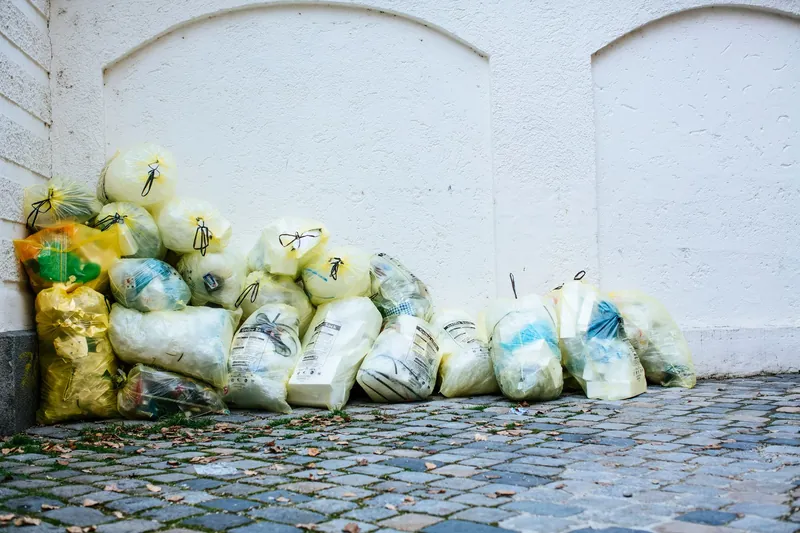
A death odor cleanup contained to one area may require one to three days of on-site work. More time can be necessary if fluids entered structural materials, odor spread through multiple rooms or separate repairs are needed where walls and flooring were removed.
| Scene | Typical time on site |
|---|---|
| Mild odor that requires no structural material removal | Often one day |
| One room with porous material removal | Often one to three days |
| Several areas or structural contamination | Several days, plus repair time |
Every impacted material must be found before decomposition odor can be removed. Fogging, fresh paint or fragrance is not a substitute for eliminating the source. When fluids have soaked into drywall, furniture, carpet or subfloor, full cleaning or removal of that material must happen ahead of air treatment.
HEPA air scrubbers may filter particles from the air while work is underway, and hydroxyl treatment can be suitable for odor that remains. Ozone may irritate lungs and therefore must be tightly controlled. The treatment space has to remain empty of people, plants and pets, with reentry delayed until it has been ventilated properly.
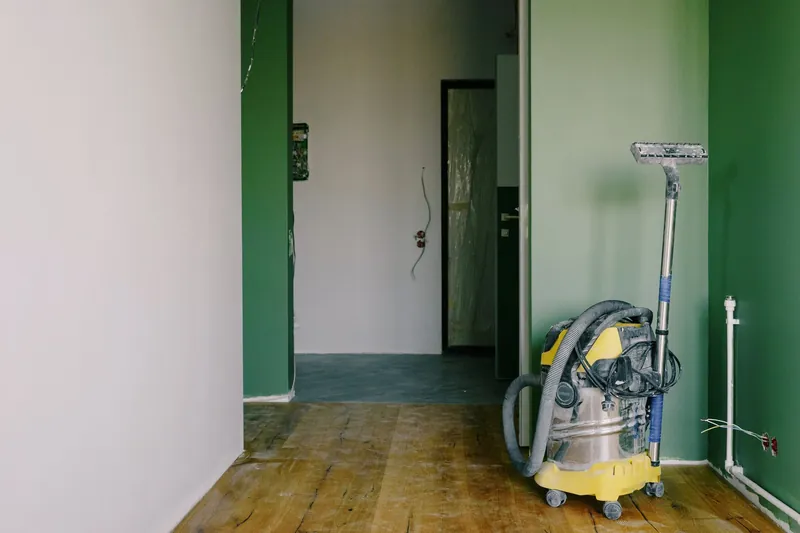
The full death odor removal guide covers what is cleaned or removed, odor and air quality work, and the rules that apply in Florida and Pinellas County.
Read the full death odor removal guidePlanning for access, containment and cleanup can depend on local population, housing and entry conditions.
At roughly 1.7 miles away, St Anthonys Hospital is the closest listed hospital for urgent care after a cut, puncture, or exposure.
Nearby communities include Wildwood Heights, Lake Maggiore Shores, and Thirteenth St Heights, useful geographic references when explaining a property location to a cleanup crew.
Because this is a neighborhood within Saint Petersburg, cleanup access may depend on local parking, common entrances, or building management rules.
Your phone conversation can include questions about service in nearby ZIP codes and communities.
Decomposition cleanup and odor control are needed after a death goes unnoticed for several days.
See unattended death cleanup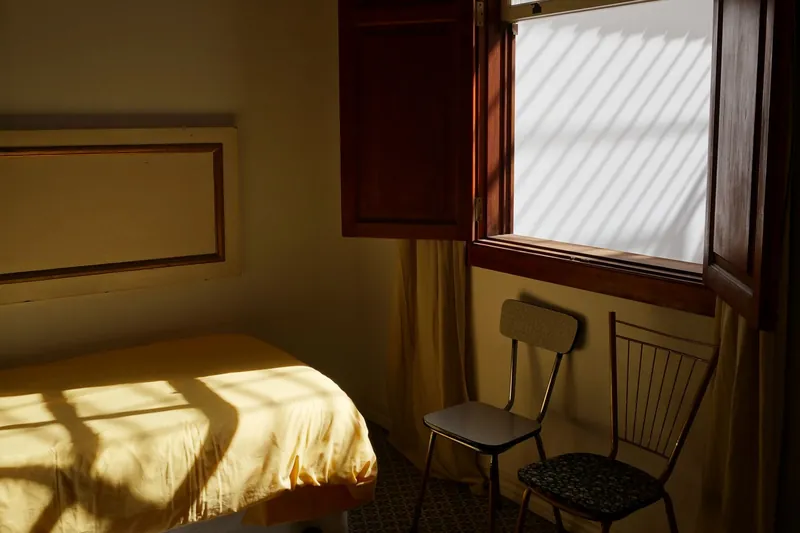
Fluids, odor and impacted belongings are addressed when a home is cleaned after a death.
See death cleanup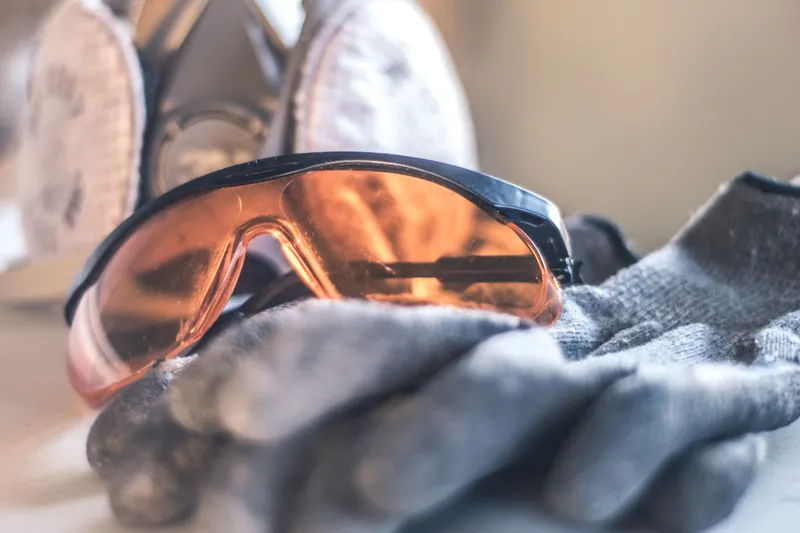
Decomposition fluids are removed from furniture, flooring and the subfloor beneath it.
See decomposition cleanup
Care for the family's home guides cleanup when a death has been found quickly.
See attended death cleanup
Estate cleanout after a death, with sorting of belongings and safe removal.
See estate cleanout after a death
Removal and disinfection of blood, body fluids and other infectious material from any property.
See biohazard cleanup
Trauma scene cleanup is needed after violent events, accidents and injuries.
See trauma scene cleanup
Biohazard cleanup addresses Airbnb accommodations, hotels and other rental units.
See hotel, airbnb and rental biohazard cleanupFollowing removal of contaminated material, ozone may lessen lingering odor, yet ozone neither cleans decomposition fluids nor makes affected surfaces safe. Ozone may irritate lung tissue. The controlled treatment area should remain empty and be ventilated before any person or pet returns.
Ranges in the BioCleaners Directory guide are $500 to $1,500, for mild odor, $1,500 to $3,500, for moderate odor, $3,500 to $6,000, for severe odor and, for extreme odor involving structural work, $6,000 to $15,000. Material removal and the affected area size determine the job's range.
Do not let anyone enter the affected area until authorities have released the site. Cleanup then includes containment, removal of decomposition residue and materials that cannot be disinfected, detailed surface cleaning, medical waste disposal and air treatment. You can avoid entering the room and do not have to sort impacted items alone.
A contained job may take one to three days. Work may take longer with multiple impacted rooms, hard-to-access contamination or removal of structural material. Remediation occurs before repairs, so the project can continue for flooring or drywall replacement once cleaning and odor control are done.
When odor returns, some part of the source usually remains. Possible destinations for fluids include ventilation parts, furnishings, spaces within walls, subfloor and padding under carpet. Surface cleaning or fragrance can make the smell seem better briefly, but lasting odor removal requires finding and correcting every affected area.
The family, landlord, estate representative or owner usually arranges cleaning after the property has been released. A professional cleanup crew can remove the contamination along with its smell. Flooring, drywall and any other building materials removed in remediation might be replaced by a separate contractor.
Respectful, discreet death odor removal is available 24 hours a day, and crews arrive in unmarked vehicles.